Pavagadh
Monday, 05 October 2009 12:14
Pavagadh |
About: |
| Pavagadh is a historical hill station located in the Panchmahal district of
Gujarat, India. It is a prominent pilgrimage site, particularly for the
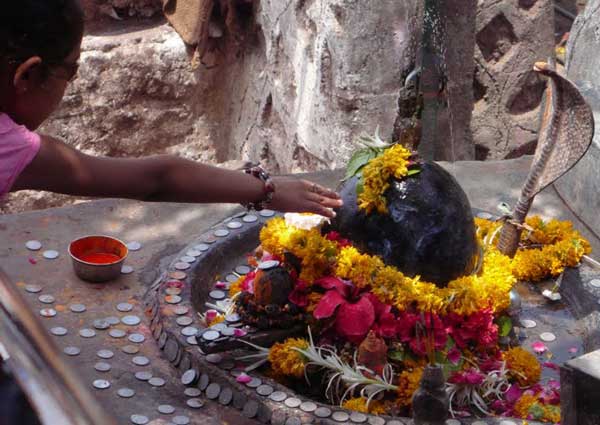
Kalika Mata Temple, which sits atop the hill.
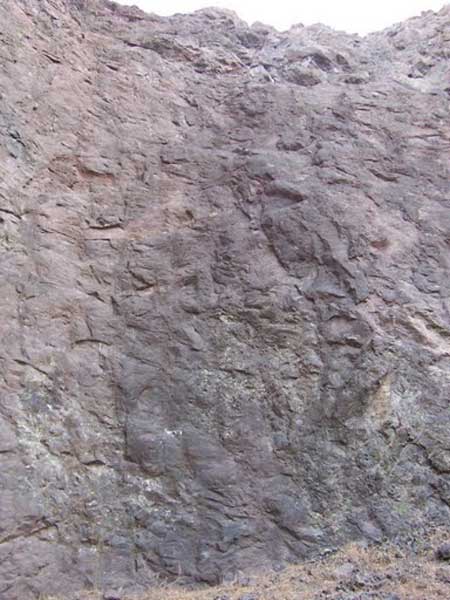
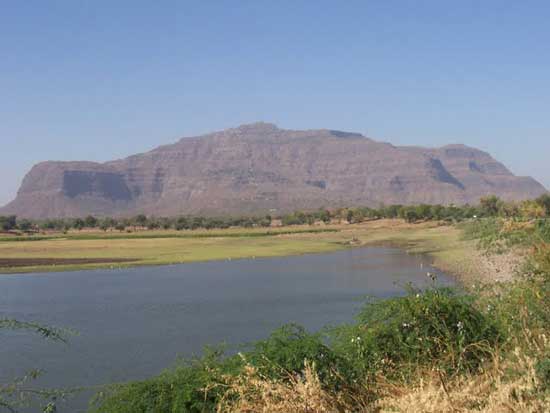
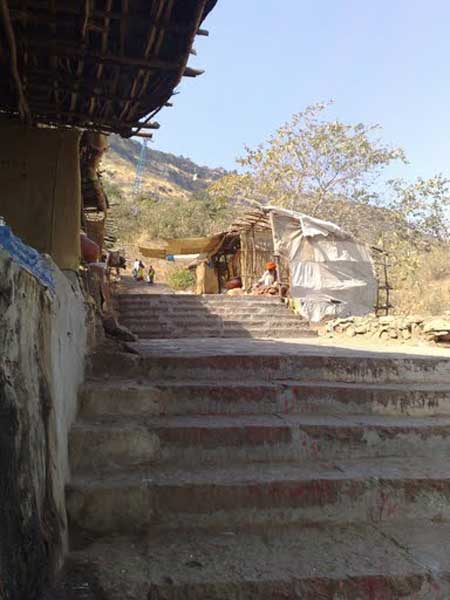
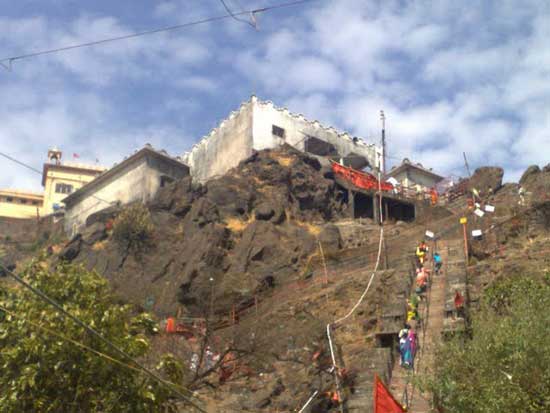
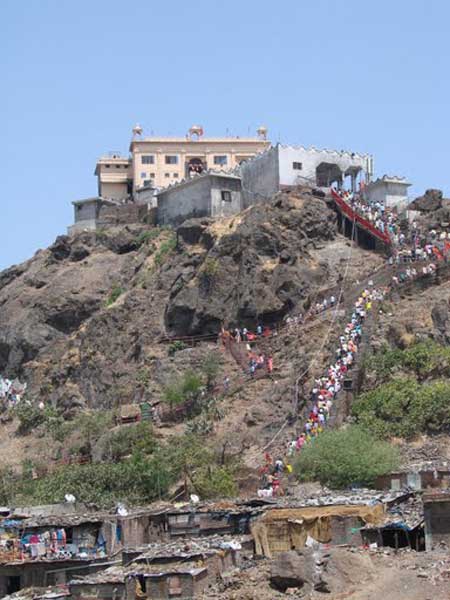
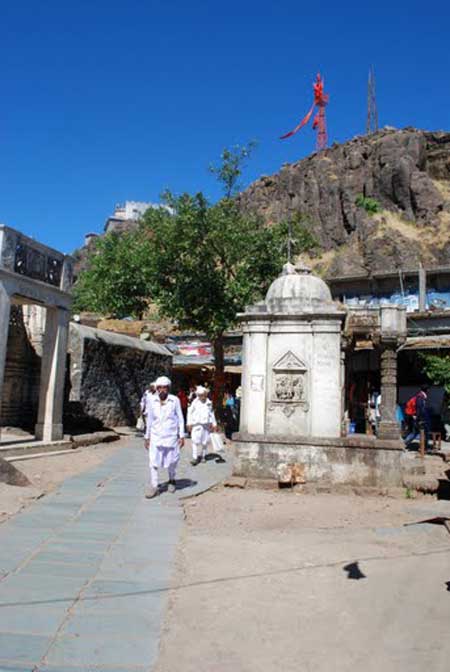
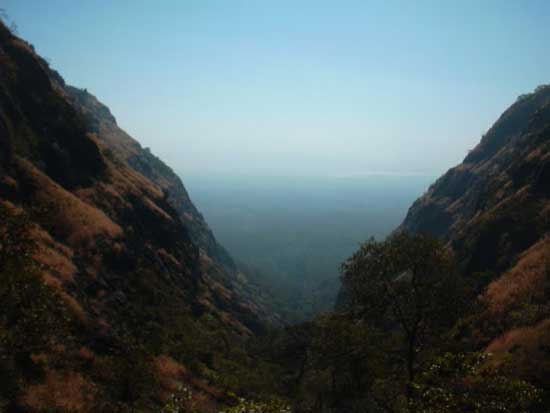
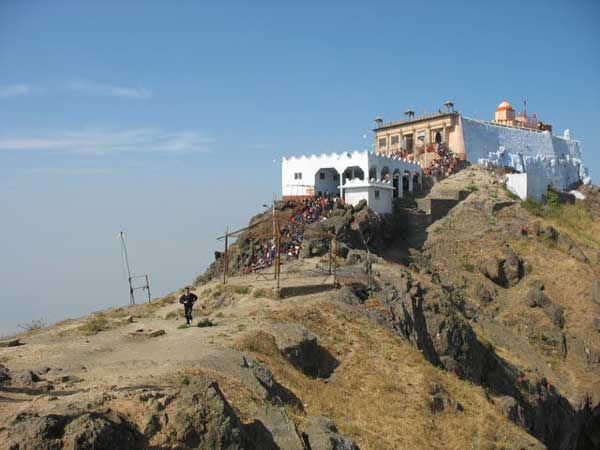
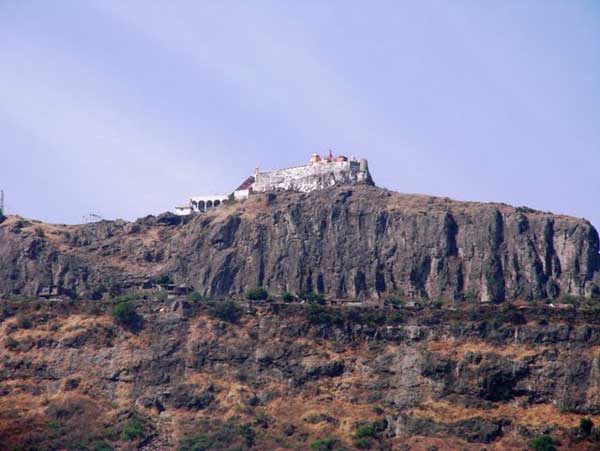
Pavagadh is one of the major attractions for pilgrims and tourists. Pavagadh is mountain about 46 kms from Vadodara and 190 kms from Ahmedabad. It is situated in the Halol, Panchmahal district. It covers 42 Kms in circumference.Champaner in the foot of Pavagadh is established by King Vanaraj Chavada in memory of his wise minister Champa. Champaner area is declared as protected area by the Archeological survey of India.Gujarat government has developed Pavagadh as a hill resort because of its scenic beauty and fresh atmosphere.  The hill of Pavagadh rises from Champaner in three stages. The plateau at an altitude of 1471 ft. is known as the Machi Haveli. State bus service is extended up to Machi. Small hotels and rest houses are available at Machi. Teliya Talav and Dudhia Talav come on top of Machi.Famous temple of Goddess Mahakali is located on the top of hill. Rope-way facility is available from Machi to reach Mahakali Mata's temple at the top. About 250 steps have to be climbed from there to reach the temple. On the roof of the temple is a adanshah Pir Dargah, visited by Muslim devotees. |
Location info: |
| Address:Pavagadh,Gujrat,India |
| District: Vadodra |
| Nearest City: Broda |
| Language: Gujarati, Hindi. |
| Best time to visit: October to february |
Climate/Weather: |
| It gets very hot in summer, with the mercury soaring to 45 degrees Celsius. The winters are pleasant though, with a minimum of around 11 degrees Celsius. |
History: |
|
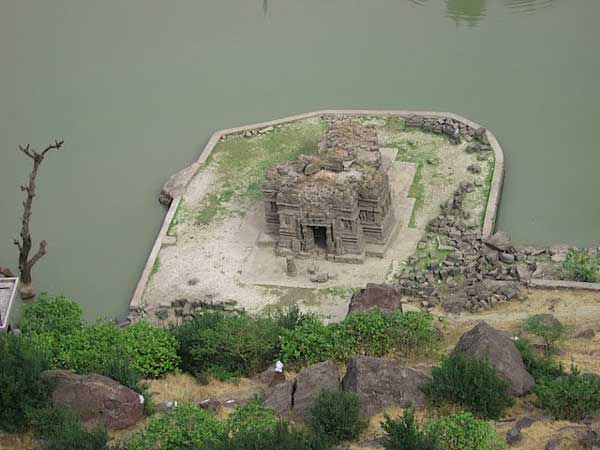
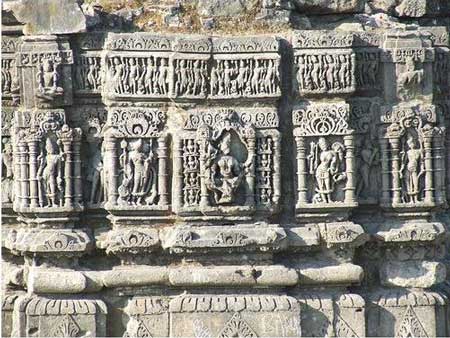
Pavagadh has a rich historical background dating back to the early 10th century when it was part of the Solanki Kingdom. It later became a significant center of the Chauhan Rajputs. In the 15th century, it was conquered by Mahmud Begada, who established the city of Champaner at the foot of Pavagadh Hill. The hill has been associated with both Hindu and Jain religious traditions, with Kalika Mata Temple being one of the key attractions. Patai was defeated and killed. Mahmud Begada shifted his capital from Ahmedabad to Champaner for some time for reasons of diplomacy. He developed the town by constructing buildings such as the fort of Champaner, Uohra mosque, Mandavi, Kirtistambh, the temple of Shalkh, Jama Masjid, Nagina Mosque and Kevda Mosque. The remains of the Palace of Begada are still found near Vad Talav (Banyan Pond) two kilometers (1.25 miles) away from Champaner. |
Interesting things to do: |
| Trekking: Hike the trails leading to Kalika Mata Temple. Pilgrimage: Explore Ruins: |
Interesting things to Visit: |
|
Kalika Mata Temple: Champaner-Pavagadh Archaeological Park: Kalika Temple: Jain Temples: Sadan Shah Dargah: |
Mobile range info: |
| Mobile connectivity is available but may become patchy on higher elevations. Most major networks provide coverage in the region. |
How to reach? |
| Nearest Railway Station:Vadodara-Godhara railway line. |
| Nearest Airport:Vadodara,airport is about 46 kms |
| Road Transport:Vadodara is 46 km and Ahmedabad is 159 km from Champaner. There are regular bus services from Champaner to other parts of the state. |
Nearest Visiting places: |
| Vadodara: A cultural hub with museums and palaces (42 km away). Jambughoda Wildlife Sanctuary: Old Fort: Sardar Patel Zoological Park and Statue of Unity: |
Nearest Petrol Pump: |
| Ghelani Petrol Pum:Baroda,Vadodara,Gujarat,India,Ph:0265
2780781
The nearest petrol pumps are located in Champaner and Halol, approximately 5-10 km from Pavagadh. |
Hotels/Lodge/Accommodation: |
| Laxmi Vilas Palace Hotel:Located in Vadodara for luxury stays.
MTDC Pavagadh Resort: A budget-friendly option near Pavagadh. |
Things to carry: |
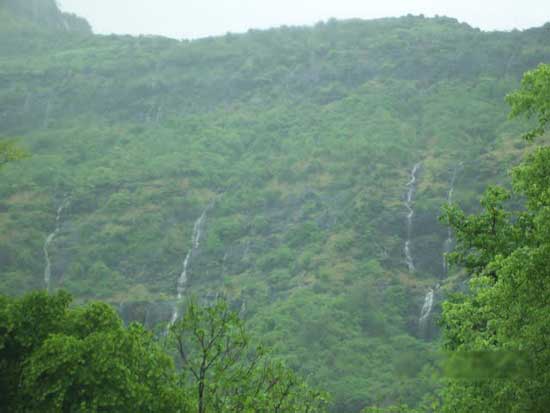
| Comfortable trekking shoes. Water bottle and snacks. Light jacket (in winter) or rain gear (during monsoon). Sunglasses, sunscreen, and hats for sunny days. |
Tips & Suggestions: |
| Start your trek early in the morning to avoid the midday heat. Keep some cash handy, as digital payments may not be accepted in all areas. Respect the local religious customs, especially at the temples. Stay hydrated during the hike and be cautious of the steep trails. |
Help Line/Phone Number: |
| Police Station: |
| Nearest Hospital: Kesha Hospital:Behind Alkapuri Shopping Centre,Vadodara,Gujarat,India,ph:0265 2338099 Adarsh General Hospital:Race Course,Vadodara,Gujarat,India,Ph:0265 2331894 |
| Society/Community Phone Number |
| Links:www.gujaratplus.com |
Photo Gallery
Video
Dynamic View
Nearest Attraction
|
|
| Laxmi Vilas Palace |
| Laxmi Vilas Palace in Vadodara is one of the famous monuments in Vadodara that is high on tourist value. People visiting Vadodara make it a point to visit Laxmi Vilas Palace in Vadodara. A wonderful exemplification of the Indo-Sarcenic architectural style, the palace is a majestic structure that warrants a special visit if you wish to marvel at the detailed and exquisite work from the close quarters. Indianholiday.com is your indispensable e-travelogue that provides you with all you needed to know on Vadodara Laxmi Vilas Palace....more |
| Citadel of Mahmud Beghada |
| Tour to Gujarat is not only incomplete but an arid experience of vacationing if Champaner is not visited. It is a historical hill town located 47 kms to the north-west of Vadodara. Dotted with impressive mosques like Juma Masjid and Shah-ki-Masjid, this attractive town is charted by several tourists every year. It is lying at the foot of Pavagarh Fort and the feature that distinguishes it from rest of the places of tourist interest is the enchanting reflection of the ruins of palaces and mosques in the lake. On arriving at this place however the one site that will hold your attention unwavering is the Citadel of Mahmud Beghada in Champaner.Champaner Citadel of Mahmud Beghada is a rectangular shaped stunning structure. It is very expansive and measures around three-quarters of a mile in length and 280 yards in breadth. This is indeed the quintessential example of the forts and monuments in Gujarat....more |
| Maharaja Fateh Singh Museum |
| Maharaja Fateh Singh Museum, Vadodara Maharaja Fateh Singh Museum is located on the Laxmi Vilas Palace grounds at Vadodara, Gujrat.In 1961 the building of a school for the children, built by the Maharaja was converted into the museum. The museum exhibits outstanding painting collection of 19th and 20th century. Maharaja Sir Sayajirao Gaekwad III mostly collected the paintings. European paintings of old masters like Raphael, Titian and Murillo, modern Western paintings and Indian miniature paintings, paintings of Raja Ravi Varma are worth mentioning.Vadodara Maharaja Fateh Singh Museum houses the remarkably huge number of works of art of the royal family. Maharaja Sir Sayajirao Gaekwad III during his several visits out of India collected works of art and stored them here....more |
| Watson Museum |
|
Located in the Jubilee Gardens, the Museum commemorating Colonel John Watson
is a good introduction to Saurashtra's cultural heritage. Important exhibits
are copies of artifacts from Mohenjodaro, 13th century carvings, silverware,
natural history exhibits and textiles. A huge 19th century marble statue of
queen Victoria is fascinating. There are many splendid portraits and
photographs of royal princes of Saurashtra and European dignitaries,
handicrafts, pottery and princely relics.The Watson Museum of Rajkot is a
memorial of Colonel James Watson, a political agent of Saurashtra. The
Watson Museum at Rajkot is known for housing a huge collection of ancient
and traditional artefacts. The museum of Rajkot exhibits the cultural
heritage of Saurashtra. Among the exhibits of the Watson Museum in
Rajkot....more
|
| Narmada Dam |
| The Narmada is Bifurcating Bharuch and Vadodara districts, this Narmada district came into existence during the year 1997. This place is located between the banks of the rivers Narmada and the Karjan at the southern parts of Gujarat state. The circumference of this district is 2,755 sq.km. and Rajpipla is the district headquarters. The places of tourist visit are Sardar Sarovar, the largest dam projects of South Asia the Karjan Dam, Vijayraj Palace dates up 1912, Shoolpaneshwar sanctuary and Malsamot Waterfalls. There are important shrines and holy sites around such as Garudeshwar,Chandod, Shuklatirth and Nareshwar, and temples of Harisiddhi Mata, Hanuman and Gayatri Mata......more |
| Sardar Sarrovar Dam |
| The Sardar Sarovar Dam is on the Narmada River in Gujarat state, 170 kilometres (106 miles) upstream from where the river flows into the Gulf of Khambhat in the Arabian Sea. The Narmada is the largest westward flowing river in India. A few kilometres downstream from the dam site on the north bank is Kevadia Colony, the town built to house the construction workers and related bureaucracy. Vadgam, the first village behind the dam, starts around one kilometre from the dam site and stretches out for several more kilometres along the north bank. About 15 km upstream on the south bank a small tributary running into the Narmada forms the Gujarat-Maharashtra border. On the eastern (Maharashtra) side of the creek is the village of Manibeli, a focus of resistance to the project where the Narmada Bachao Andolan (NBA -- Save the Narmada Movement) maintains an office......more |
| Shoolpaneshwar Wildlife Sanctuary |
| This sanctuary has vast, undulating terrain, ever pervading greenery, tall inspiring canopy, deep awesome valleys, somberly silent rocks, gentle youthful streams, majestic waterfalls, breathtaking landscapes, culminating at the congregation of Vindhyan Satpura hill ranges. The sanctuary was first created in 1982 over an area of 150.87 sq. km. As Dumkhal Sanctuary an important home for sloth bears. Subsequently, in 1987 and 1989, the area of the sanctuary was enlarged to 607.71sq. Km. and it was renamed as Shoolpaneshwar Sanctuary.The forest area rated as one of the best and thickest in the state, is spread over an area, which includes a major watershed feeding two major reservoirs with the Rajpipla hills as backdrop. The thick vegetative ground cover not only provides endless greenery and habitat and home to a variety of life forms, but also conserves the soil and water....more |
| Sayaji Bagh |
| One of the major tourist attractions in Vadodara is the Sayaji Bagh in Vadodara, the large green park whose main entrance is on the Tilak Road. The Sayaji Bagh contains a planetarium that offers a 35 minutes show daily, except on Thursday.This garden also known as the garden of Sayaji, is an extensive park sprawling over more than a hundred acres with a mini rail track around the periphery. Cheerful kids can be seen enjoying a joy ride on the toy train. Elders may also join the fun after a little coaxing of the guard.Sayaji Bagh Vadodara is one of the major attractions in the city. Also known as the garden of Sayaji, it is an extensive park that contains a mini rail track. Sayaji Bagh of Vadodara was built in 1879 by Sayajirao on the banks of river Vishvamitri. The Bagh is known for its splendid gardens, which are adorned with beautiful pavilions and fountains. The gardens of the Sayaji Bagh in Vadodara serve as pristine retreat amid the hustle and bustle of the city life......more |
| Narmada River |
| Whatever we tell you, however detailed a description we give, it won't do justice to the body of water that flows from the Amarkantak plateau to Arabian sea, the river we call Narmada. Hinduism sees it as one of the seven most sacred rivers in India, and in fact, most wisdom traditions around the world draw inspiration from rivers and their behavior.The Narmada Periplus Maris Erythraei calls it the Nammadus. The British Raj called it the Nerbudda or Narbada is a river in central India and the fifth largest river in the Indian subcontinent.Narmada is a Sanskrit word meaning 'the Giver of Pleasure. It forms the traditional boundary between North India and South India and flows westwards over before draining through the Gulf of Cambey Khambat into the Arabian Sea,30 km 18.6 mi west of Bharuch city of Gujarat....more |
| Archaeological Park |
| ....more |
| Narmada Waterfall |
| ....more |
| Akota Gardens |
| ...more |